

Sympathetic Nerve Block in North Branch, MN | Sage Spine Pain and Nerve Center
For individuals who are suffering from Complex Regional Pain Syndrome (CRPS), chronic abdominal pain, or pain disorders in the vasculature, a sympathectomy can be beneficial for you. Dr. Andrew Clary, DO is a board-certified and highly skilled medical specialist at Sage Spine Pain & Nerve Center in North Branch, MN, who can perform Sympathetic Nerve Blocks to treat your pain condition.
Call us today at 651-337-8201 to schedule your consultation.
What Is a Sympathetic Nerve Block?
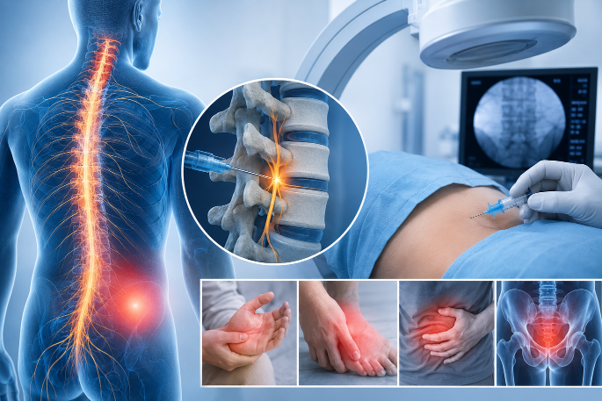
Sympathetic nerve block is an interventional technique used to manage chronic pain by targeting the sympathetic nervous system, which is the cluster of nerves responsible for controlling the involuntary activities in our body like heart rate, sweat glands, and digestive functions. Pain that occurs due to the excessive activity of the sympathetic nerves is difficult to treat with conventional therapies.
Sympathetic nerve block helps to temporarily stop the pain signals from these nerves in order to:
· Identify whether your pain is caused by the sympathetic nerves
· Relieve the symptoms of pain and improve circulation in the target area
· Test the effectiveness of other long-lasting therapies such as spinal cord stimulation and radiofrequency ablation
Conditions Treated with Sympathetic Nerve Blocks
Sympathetic nerve blocks can be used to diagnose and treat several conditions such as:
Complex Regional Pain Syndrome (CRPS)
This condition was previously known as reflex sympathetic dystrophy (RSD). This is chronic pain condition that usually affects an arm or leg after an injury, surgery, or trauma and features severe pain, swelling, changes in skin color, and sensitivity to temperature.
Pain Due to Vascular Disorders
· Peripheral artery disease (PAD)
· Raynaud’s phenomenon
· Vasospastic disorder
Sympathetic blocks may help increase blood flow and relieve pain caused due to constriction of blood vessels.
Chronic Abdominal and Pelvic Pain
· Chronic pancreatitis
· Cancer-related visceral pain
· Pelvic pain syndrome
Others
· Phantom pain
· Post-herpetic neuralgia (shingles pain)
· Hyperhidrosis (excessive sweating)
· Pain due to frostbite or vascular insufficiency
Types of Sympathetic Nerve Blocks
Depending on your symptoms and diagnosis, Dr. Andrew Clary, DO, may suggest you undergo any one of the following sympathectomies:
Stellate Ganglion Block (Cervical Sympathectomy)
Site: Neck; Stellate ganglion lies in the superior part of the cervical spine
Indicated for: Complex regional pain syndrome (CRPS) of the upper limb, Raynaud’s syndrome, phantom pain in the arm, post herpetic neuralgia of the upper region, hyperhidrosis of hand and face
Celiac Plexus Block
· Site: Abdomen; Celiac plexus lies near the upper part of the abdomen
· Indicated for: Pancreatitis, abdominal pain due to cancer, viscero-somatic pain syndromes
Lumbar Sympathetic Block
· Site: Lumbar spine, specifically, lumbar sympathetic chain
· Indicated for: CRPS of the lower limb, peripheral artery disease of the lower limb, phantom pain in the lower limb, vasospastic disorders
Superior Hypogastric Plexus Block
· Site: Pelvis, specifically, Hypogastric plexus
· Indicated for: Chronic pelvic pain, cancer pain in the pelvis, pelvic pain due to endometriosis
Ganglion Impar Block
· Site: Base of the spine (coccyx area)
· Indicated for: Perineal pain, Coccydynia, Cancer pain in the pel
How Does a Sympathetic Nerve Block Work?
Pre-Procedure Evaluation by Dr. Clary
A thorough pre-procedure evaluation will include:
· Medical history and pain evaluation
· Image review (MRI, CT, or X-ray)
· Physical examination centered around autonomic function
· Discussion of your symptoms, treatment history, and goals
Procedure Information
Time frame: 30–60 minutes depending on the kind of block
· Sedation: Intravenous sedation is usually provided
· Guidance: Fluoroscopy or CT-guided insertion helps to place the needle precisely
· Injection: An anesthetic (with or without a steroid) will be injected to the targeted sympathetic nerves
Post-Procedure Information
You will stay in the recovery room for 30-60 minutes. You should be able to go home after the procedure. You might experience:
· Pain relief in the involved area
· Changes in temperature (the area where the nerves were blocked will feel warmer)
· Decreased sweating in the treated area
This will indicate successful blocking of the nerves.
Diagnostic vs. Therapeutic Value
Diagnosis Phase
Sympathetic nerve block can be a diagnosis test as well as treatment modality. When there is considerable pain reduction along with the signs of sympathetic block (warm, dry limb), then this indicates that your pain has a sympathetic component.
Treatment Phase
Although some patients get long-lasting relief from one block itself, others might need repeated blocks in order to derive the benefit. In case you respond well to the treatment, Dr. Clary may consider:
· Repeated sympathetic nerve blocks for prolonged relief
· Radiofrequency denervation of sympathetic nerves for better outcome
· Spinal cord stimulation in resistant cases
· Physical therapy and desensitization program
What Makes Sage Spine Pain & Nerve Center Your Best Option?
Expert Knowledge of Complex Pain Syndromes
Our highly qualified pain specialist, Dr. Andrew Clary, DO, has subspecialty knowledge in interventional pain and considerable experience in treating sympathetically mediated pain syndromes including complex regional pain syndrome (CRPS), vascular pain, and chronic visceral pain.
Highly Targeted Procedures
The use of either fluoroscopy or CT-guidance in performing sympathetic nerve blocks allows us to achieve millimeter-level accuracy of medication delivery which maximizes the success rate and reduces the risks.
Accessible Advanced Treatment Locally
Patients from North Branch, Chisago County, and the surrounding areas (Cambridge, Rush City, Lindstrom, Forest Lake, etc.) do not have to drive to Minneapolis or St. Paul for their special interventional procedures as Sage Spine Pain & Nerve Center brings them to you.
Multimodal and Multidisciplinary Treatment Approach
Since sympathetically mediated pain syndromes are complicated conditions requiring multimodal approach, Dr. Clary works closely with:
· Physical therapists who specialize in desensitization and graded motor imagery
· Mental health specialists providing psychological pain management
· Primary care providers and other specialists in optimizing your medications
· Surgeons if needed
Insurance & Coverage
Sympathetic nerve block is reimbursable by almost all insurance companies, whether Medicare or commercial insurance, if done for appropriate reasons like CRPS, chronic pancreatitis, or cancer pain. Our practice will:
· Confirm your insurance eligibility beforehand
· Gain all necessary prior authorizations
· Offer you clear cost information
Call 651-337-8201 to discuss your coverage and begin the evaluation process.
Common Questions About Sympathetic Nerve Blocks
Is the procedure painful?
The majority of patients get IV sedation for the sake of comfort. You can experience some pressure and a slight stinging sensation from the injection of local anesthesia. The procedure is usually well-tolerated.
How long does pain relief last?
It differs from one patient to another. Some people achieve prolonged pain relief for weeks or months after just one block. There are cases when you need multiple blocks. Diagnostic blocks will help determine your individual reaction to the therapy.
What are the risks?
There are no significant risks involved in sympathetic blocks provided that they are done by a qualified doctor. The possible complications include temporary pain, bleeding, infection, nerve damage, and side effects from the medications used. It depends on the area being blocked.
Will I need someone to drive me home?
Yes. As IV sedation is routinely utilized, you will need an adult driver to drive you home and must arrange for some rest for the remainder of the day.
How do I know whether my pain is sympathetically mediated?
Symptoms which indicate that the pain is sympathetically mediated are:
· Burning, shooting, and throbbing pain out of proportion to the initial injury
· Pallor and change in skin temperature
· Irregular sweating in the affected area
· Oedema and shiny skin
· Allodynia (pain from usually innocuous stimuli)
These symptoms will be assessed by Dr. Clary at your appointment.
Will sympathetic nerve blocks help cure CRPS?
Though not curative, sympathectomy blocks form the backbone of treatment for CRPS. They can break the vicious pain cycle, improve functionality and provide an opportunity for physiotherapy to succeed.
When Should Sympathetic Nerve Block Be Considered?
A sympathetic nerve block can be beneficial for you if you have:
· CRPS or RSD diagnosis
· Long-term pain caused by surgery or trauma
· Vasculitis pain not controlled by medicines
· Abdominal or pelvic pain that is believed to be due to sympathetic involvement
· Unsatisfactory conservative treatments like medications and physical therapy
· Pain that affects your day-to-day activities
Take the First Step Toward Relief from Sympathetically Mediated Pain
Pain caused by the sympathetic nervous system may become crippling and lonely. If you need assistance for sympathetic nerve block in North Branch, MN, contact Dr. Andrew Clary, DO, and his team at Sage Spine Pain and Nerve Center.
Contact us today to schedule your comprehensive evaluation:
📞 Call: 651-337-8201